Crib mattresses provide a foundational surface for infant sleep, balancing comfort with safety. This category highlights key materials, firmness levels, and cover fabrics that support spinal alignment and regulate temperature. Understanding the differences between foam, innerspring, and organic constructions helps caregivers choose a mattress that aligns with health recommendations and daily routines.
Among common options, organic crib mattresses emphasize natural materials, low chemical exposure, and durable, easy-to-clean surfaces. Features such as organic cotton covers, moisture-wicking layers, and water-resistant barriers contribute to a hygienic sleep environment. The selection aims to minimize allergens while maintaining a comfortable sleep surface for infants.
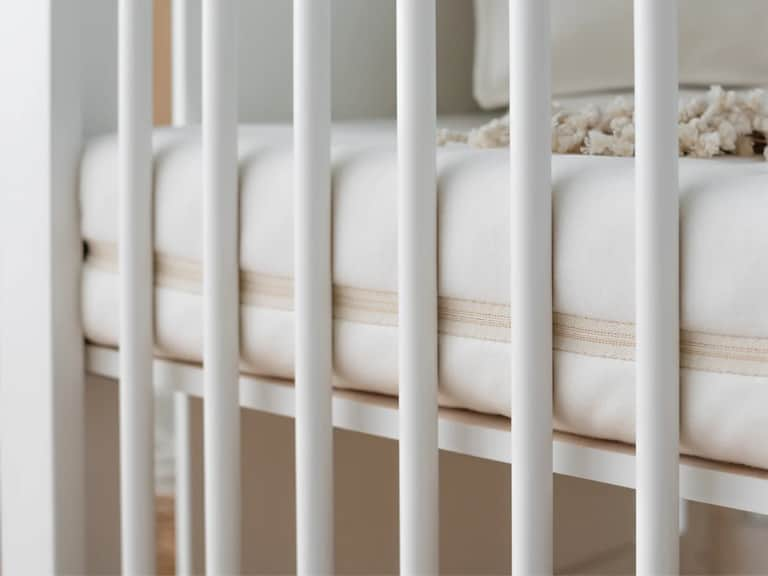
Obasan Organic Crib Mattress stands out for its emphasis on non-toxic materials and breathable design. It integrates certified organic components, supportive core construction, and safe encasements that resist mold and mildew. Functional benefits include longevity, spill resistance, and compatibility with standard crib dimensions, supporting consistent daily use.
Understanding mattress safety involves recognizing proper firmness, fit, and ventilation. A well-fitted crib mattress reduces gaps, enhances airflow, and maintains structural integrity during restless sleep. When evaluating options, consider certifications, cover removability, and the ability to sanitize surfaces without degrading materials.
Key keywords to reflect in documentation include bedding, pillows, sheets, organic mattresses, and organic crib mattresses to reinforce relevance. Comprehensive education on materials, sleep safety guidelines, and care instructions helps caregivers make informed decisions that support healthy infant sleep patterns and long-term bedding choices.
 Nursery