Understanding Mattress Materials: How Foam, Latex, and Hybrid Cores Impact Sleep
A Vogue-informed exploration of the three primary mattress core materials—memory foam, latex, and hybrids—and how density, firmness, and movement response shape comfort, support, and durability.
Published: September 30, 2026
In a bedroom, sleep is a ceremony. The mattress is not merely a functional object; it is a quiet confidante, a surface upon which the rituals of rest unfold. To understand sleep physiology is to understand how a mattress core—memory foam, latex, or a hybrid—translates our bodies’ dreams into support that feels effortless and precise. This guide, written in the spirit of thoughtful, evidence-based guidance, unpacks how each core material behaves, how density and firmness interact with weight and movement, and what questions to ask when evaluating a mattress from an objective, scientistly minded perspective.
The memory foam core: contour, pressure relief, and motion isolation
Memory foam has become almost synonymous with pressure relief. Its viscoelastic properties cause the material to respond to heat and weight, allowing it to gradually contour to the body's curves. This can be a boon for sleepers who experience localized pressure points—shoulders, hips, or knees—because the material distributes weight and reduces peak pressure. However, this same contouring can influence bounce and temperature, depending on formulation.
Key concepts to understand when evaluating memory foam include:
- Density: Measured in pounds per cubic foot (PCF), higher density foam typically offers better durability and support but can feel firmer or slower to contour. Lower-density foams may soften more quickly and be more susceptible to developing impressions over time.
- Indentation Force Deflection (IFD) / firmness: A proxy for firmness that helps compare how a given foam layer will feel under load. Remember that a foam layer’s perceived firmness is influenced by its thickness, adjacent layers, and the overall mattress construction.
- Recovery rate: How quickly the foam returns to its original shape after weight is removed. Slower recovery can translate to deeper contour and more noticeable body imprint, potentially affecting movement and changing feel throughout the night.
- Temperature considerations: Some memory foams tend to retain heat more than others. Formulations that incorporate open-cell structures, cooling gels, or phase-change materials aim to improve breathability and regulate microclimate.
From a design perspective, memory foam cores tend to yield excellent motion isolation, which is ideal for couples where one partner moves more during sleep. The downside can be a reduced bounciness that some users associate with a “sinking” feel. When evaluating a memory foam mattress, consider the cover and the top comfort layers in addition to the core itself, since the upper layers influence the initial surface feel and air flow across the bed’s surface.
The latex core: resilience, breathability, and a buoyant response
Latex cores offer a different physiology of sleep. Natural or natural-like latex provides buoyant, springy support that tends to respond quickly to movement and weight shifts. This yields a surface that feels supportive without the “hug” of memory foam. Latex is also celebrated for natural moisture management and resilience, which can translate into a longer-lasting comfort layer with less sinkage over time.
Important considerations when assessing latex cores include:
- Material source: Natural latex sourced from rubber trees (often labeled as Dunlop or Talalay variants) tends to have different elasticity, feel, and durability characteristics than synthetic or blended latex.
- Density and firmness: Latex density influences durability and how the mattress responds to weight. Higher-density latex can provide robust support while maintaining a quicker, more responsive feel than some foams.
- Breathability: Latex cores often promote air flow within the mattress structure, contributing to a cooler sleep surface in many configurations.
Because latex is inherently buoyant, it can offer excellent alignment and minimal partner disturbance for many sleepers. However, the feel is distinct from memory foam, and buyers should sample the surface to determine whether the springy, supportive quality aligns with their preferences for contour and pressure relief. As with all cores, the surrounding layers—the comfort foams, wool, cotton, or other overlays—play a pivotal role in the final feel and climate of the bed.
The hybrid core: the best of both worlds in one balanced system
Hybrid mattresses combine the strengths of foam or latex with an innerspring or coil system. The hybrid core typically features a support coil unit paired with one or more comfort layers on top. The coil system provides boundary support, bounce, and durability, while the upper layers contribute contouring, pressure relief, and temperature management. The synergy can create a sleep surface that blends the responsiveness of latex with the pressure-relieving properties of foam, all while maintaining better airflow than many all-foam configurations.
Key factors to consider when evaluating a hybrid core include:
- Coil type and count: Hourglass, pocketed, or offset coils each deliver different combinations of support, motion isolation, and edge stability. The coil count and gauge influence overall durability and the bed’s resilience over time.
- Transition and comfort layers: The materials directly above the coils (memory foam, latex, or other foams) determine surface feel, pressure distribution, and temperature regulation. The thickness and composition of these layers shape the “hybrid” character you experience at the surface.
- Edge support: A robust edge can expand usable sleep surface and improve durability when sitting or sleeping near the perimeter.
- Motion transfer and temperature: Hybrids often strike a middle ground for motion isolation and climate control, but performance varies with design and materials chosen for the comfort layers.
For many sleepers, hybrids offer a balanced experience that captures the quick response of latex or the contouring of memory foam without the same degree of heat retention. If you prize a combination of lift, support, and adaptive comfort, a well-designed hybrid may be the most versatile option in a sleep wardrobe.
How to read a mattress construction diagram: a practical language
A modern mattress is layered like a well-edited outfit. A construction diagram or product spec often reveals the sequence of materials from cover to base. The core—the middle layers that bear the body’s weight—receives particular attention, but the performance is a sum of all layers, including the cover, edge supports, and transitional foams. When evaluating a mattress, consider:
- Layer order: The topmost layer is what you feel first; the core’s properties will influence long-term structure and durability.
- Layer thickness: A thicker comfort layer might deliver more pressure relief, but it can also affect temperature and the bed’s overall feel. Thinner top layers may promote a quicker response and cooler surface.
- Durability signals: High-density foam, robust coils, and high-quality latex tend to correlate with longer-lasting support and reduced sag. Look for warranties that reflect confidence in longevity.
Reading diagrams helps demystify the bed and empowers you to compare options without relying on marketing language alone. The most durable mattresses usually exhibit a thoughtful balance: a solid core, well-designed transitional layers, and materials chosen to optimize temperature regulation, support, and movement management over time.
Density, firmness, and the language of sleep: turning data into decision
The density of foam and the firmness ratings of latex or coil-based systems provide a framework for predicting how a mattress will perform for your body. Yet numbers can be a starting point, not a verdict. The best approach blends quantitative data with qualitative experience: a prolonged test lie, a careful sense of alignment, and a clear sense of how the bed manages heat and movement across the night.
Guiding questions when you assess density and firmness include:
- What is the foam density, and what does it imply for durability and contour? Higher density often correlates with longer life and better support, but it may also alter the speed of contouring.
- How does the mattress respond to movement? Do you feel your partner’s movement clearly, or is motion transfer well controlled?
- How does the bed handle temperature? Is there noticeable heat retention, or does airflow feel sufficient for a comfortable sleep climate?
In a world where sleep science continues to evolve, mattress designers experiment with blends and innovations to optimize these variables. A scientifically minded consumer benefits from reading product sheets with a critical eye, cross-referencing independent reviews and, when possible, sampling the feel of a mattress before purchase.
A note on longevity, care, and lifecycle
All mattress cores wear with time. How a bed ages depends on the materials, construction quality, and how you care for it. Foam can develop indentations, latex may maintain resilience longer, and hybrids hinge on the durability of the coil system and the integrity of the comfort layers. Practical care steps include using a supportive bed frame, rotating the mattress as recommended by the manufacturer, and safeguarding it from moisture and heat exposure that can degrade materials.
Some brands emphasize longevity through warranties and documented testing. When evaluating a mattress, examine the warranty terms—what they cover, for how long, and under what conditions. A robust warranty often signals the manufacturer’s confidence in the product and provides a safety net for years of restful sleep.
Putting it into practice: how to choose for your sleep style
People sleep in different postures, at varying weights, and with distinct temperature preferences. A thoughtful approach to choosing a mattress core begins with a clear picture of your sleep style and health considerations. Consider the following scenarios as a framework for evaluation:
- Side sleepers: Often benefit from pressure relief around shoulders and hips. A memory foam or latex with adequate contouring can help maintain spinal alignment, but avoid too much sinking that could misalign the spine over time.
- Back sleepers: May prefer a balanced feel with stable support under the lumbar region. A hybrid or medium-firm latex core can offer gentle contour without excessive compression.
- Stomach sleepers: Usually need firmer support to prevent excessive bowing of the midsection. A firmer foam or a well-supported coil system can provide the necessary foundation.
- Hot sleepers: Breathability and airflow are crucial. Latex and many hybrids with well-ventilated coil systems may perform better in temperature regulation than dense memory foam configurations.
Remember that weight categories influence how a given core material feels. Heavier individuals may experience deeper compression with certain foams, while lighter individuals may find a mattress too firm unless the top layers are designed to adapt. A neutral evaluation—without brand bias—helps ensure the chosen mattress aligns with your anatomy, sleep habits, and comfort preferences.
A curated, non-promotional perspective
This article speaks to readers who value evidence-based information over promotional narratives. While the market offers a spectrum of materials and constructions, the objective is to illuminate how core materials behave in real-world sleep. The aim is clarity: to help you interpret density, firmness, and material properties so you can make informed decisions that support restorative rest.
For those who seek practical examples, consider this narrative: a memory foam mattress that contours to the hips but offers minimal motion transfer for couples; a latex bed that feels buoyant and breathable with a quick response; and a hybrid that harmonizes resilience with pressure relief. Each category has a distinct voice, yet all share the common goal of aligning sleep experience with the body’s needs.
Connecting to a broader sleep philosophy
Beyond the core materials, sleep quality hinges on environment and routine. Temperature, lighting, noise control, and habitual wind-down practices shape how well we rest. The mattress core is a central instrument in this symphony, but it performs best when paired with thoughtful sleep hygiene and a bedroom that respects circadian rhythms. In the world of mattress education, context matters: a bed that suits your body should also harmonize with your nightly rituals and the sensory ambiance of your space.
Finally, a nod to the beauty of informed choice. In a market saturated with brand signals and marketing narratives, a grounded, science-informed approach offers lasting value. Your sleep deserves nothing less than design-minded clarity—elegant, precise, and enduring.
If you seek further reading and practical tools
This piece invites you to expand your understanding through a structured approach to mattress evaluation. Consider building a personal checklist that includes:
- Core material type and density
- Firmness rating and how it translates to your sleeping posture
- Breathability and temperature management features
- Edge support, durability signals, and warranty terms
- Independent reviews and any lab-based or clinical data when available
As you refine your knowledge, you will develop a confident voice to interpret product specifications and make choices that honor both comfort and health. The mattress, after all, is not just a purchase; it is an invitation to better nights and brighter mornings.
Related resources and product notes
Within this store’s catalog, certain toppers and pads illustrate how layered design affects sleep. While preserving a neutral stance, it is helpful to consider how top layers interact with core materials to produce the overall feel. For example, a latex or memory foam topper layered atop a hybrid core can subtly alter contour, bounce, and temperature, offering a customized balance aligned with personal preferences.
Product notes: where relevant and genuinely fitting, references to specific bed products provide a concrete anchor for readers exploring the topic through a retail lens. In this article, core material principles take precedence over promotional messaging, ensuring the discourse remains aligned with educational aims.
Conclusion: a refined lens on sleep science and mattress cores
Memory foam, latex, and hybrid cores each offer a distinct pathway to comfort, support, and durability. By understanding density, firmness, response to movement, and temperature regulation, readers can translate technical specifications into practical decisions that honor their individual sleep needs. In the end, the right mattress core is less about chasing trends and more about aligning design intuition with science-backed insight—an ensemble that allows the body to rest, recover, and rise renewed.
Explore related bedding resources
Bedding components also influence sleep quality. While the core determines fundamental support and response, sheets, pads, and toppers shape the daily experience of sleep. A thoughtful combination of core material and supportive, breathable bedding can create a sleep surface that remains comfortable across seasons and routines.
Product highlights (curated, real options)
The catalog includes a selection of high-quality bedding accessories that illustrate how materials interact with core support to shape sleep. For readers seeking a practical touchstone, consider the following items that align with a science-forward, non-promotional perspective:
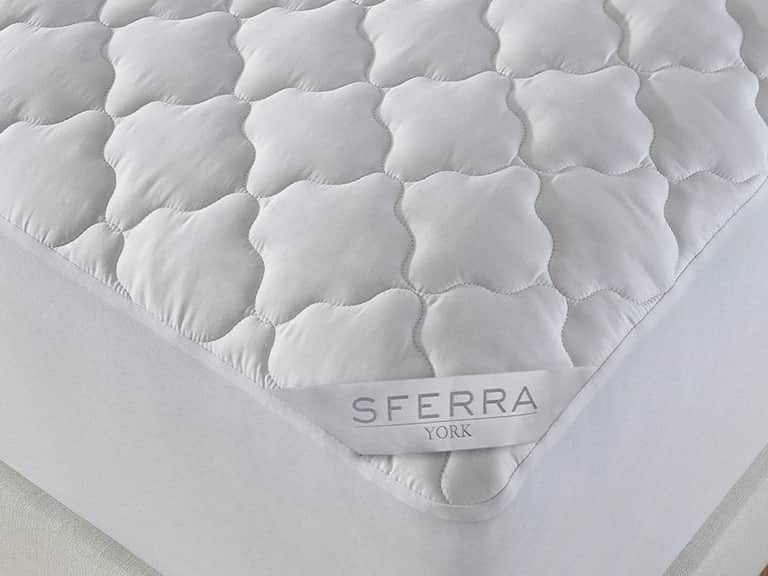
- York Mattress Pad — A luxurious down-alternative mattress pad featuring 100% cotton fill and a 300TC cotton sateen shell, designed to provide breathable loft and a balanced sleeping surface. Link: York Mattress Pad.
- Downtown Company Luxury Cotton Mattress Pad — Plush, breathable, and crafted for everyday durability with a secure fit. Link: Downtown Company Luxury Cotton Mattress Pad.
- Arcadia Mattress Pad — A cushioning layer with a down-alternative fill and a soft, breathable shell for added surface comfort. Link: Arcadia Mattress Pad.
These examples illustrate the variety of top-layer options that can complement different core materials. They are presented here to enable a practical sense of how layering choices work in concert with core performance, without steering readers toward specific brands or sales outcomes.